Flash: A Sophisticated Script Font for Artisanal Branding
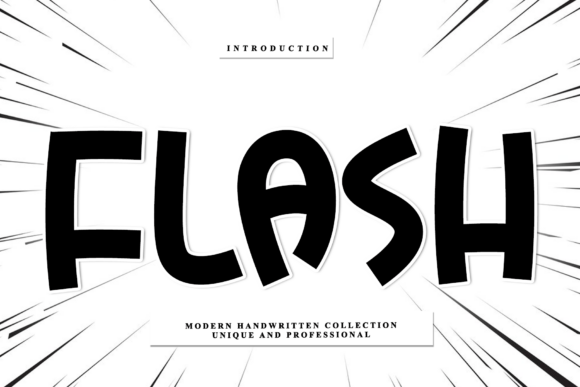
There's a certain magic in a font that feels both polished and personal. It doesn't just display words; it conveys a feeling, an experience. This is the space where Flash operates. It's a premium font that walks the line between elegant calligraphy and a warm, handcrafted aesthetic. Its defining feature—the sweeping, looping ascenders—creates an immediate sense of customized artistry. Think of it as the typographic equivalent of a skilled artisan's signature on a handmade product.
For designers and brand strategists, finding a display font that communicates authenticity without sacrificing professionalism is a common challenge. Flash answers this call. It’s not just another script font; it’s a tool for building a specific kind of narrative. Its rhythm and organic flow make it ideal for projects that aim to feel curated, upscale, and deeply human. Whether you're developing a brand identity for a new café or crafting editorial design for a lifestyle magazine, this typeface brings a distinctive voice to the table.
Where Flash Truly Shines: Practical Applications
Understanding a font's personality is one thing; knowing where to deploy it is another. Flash isn't a universal workhorse, but in the right context, it's incredibly powerful. Its strengths lie in applications where emotional connection and perceived quality are paramount.
- Artisanal Food & Beverage Branding: This is Flash's sweet spot. Imagine it on the label of a small-batch olive oil, a craft brewery's logo, or the menu of a farm-to-table restaurant. Its warm aesthetic suggests natural ingredients and careful preparation.
- Boutique Product Packaging: For cosmetics, candles, specialty teas, or handmade goods, Flash elevates the unboxing experience. It tells the customer there's a story and a human touch behind the product.
- Upscale Lifestyle Marketing: Think wedding stationery, boutique hotel branding, or marketing for a high-end florist. The font's sophistication aligns perfectly with services and products that emphasize experience and quality.
- Creative Editorial Titles: In publishing, a striking headline can draw a reader in. Flash works beautifully for feature article titles in design, food, or travel magazines, setting a stylish tone before the first paragraph is even read.
- Logo Design & Wordmarks: When used thoughtfully, Flash can form the basis of a memorable logo design. Its distinctive loops create instant recognition, though careful consideration must be given to scalability.
Beyond these core areas, Flash finds a home in social media graphics for lifestyle brands, on website hero sections for creative studios, and in the packaging design of subscription boxes. It’s a creative font that helps small businesses and entrepreneurs project the image of a well-established, quality-focused brand.
The Influence on Perception and Engagement
A typeface does more than spell out a name. It actively shapes how an audience perceives a brand. Choosing Flash is a strategic decision that influences several key aspects of visual communication.
Brand Perception & Personality: Fonts carry inherent connotations. The elegant loops and balanced rhythm of Flash instantly communicate sophistication, warmth, and artisanal care. It steers a brand away from the cold, corporate feel of some sans serif fonts and towards a more intimate, crafted identity. This can build immediate emotional resonance with a target audience that values authenticity.
Visual Hierarchy & Readability: As a display font, Flash is designed for impact at larger sizes, such as headlines and logos. Its flowing script creates a strong focal point. However, its intricate details mean it's not suited for long paragraphs of body text. Pairing it with a clean, highly legible serif font or sans serif font for supporting copy is essential for maintaining readability and establishing a clear visual hierarchy. The contrast between the expressive headline and the functional body text creates a professional, balanced layout.
Recognition and Consistency: Using a distinctive font like Flash consistently across all touchpoints—from website headers to social media profiles to product tags—builds strong brand recognition. Its unique character becomes synonymous with the brand itself, fostering a cohesive and professional image across all design assets.
A Practical Guide to Implementing Flash
Before integrating Flash into your next project, a few practical considerations will ensure it delivers maximum value.
- Evaluate Project Fit: Does your project's brief call for warmth, elegance, and a handmade feel? If you're designing for a tech startup or a financial institution, Flash is likely the wrong choice. But for a bakery, a yoga studio, or a bespoke tailor, it could be perfect. Always align the font's personality with the project's core message.
- Test Font Pairings: The success of Flash often depends on its typographic partner. Experiment with pairing it with a sturdy, geometric sans serif font like Futura or a classic transitional serif font like Baskerville. The goal is contrast that complements, not competes. The font pairing should create a harmonious dialogue on the page.
- Review Included Styles and Glyphs: A quality commercial font like Flash often includes more than just basic letters. Look for stylistic alternates, ligatures, and swashes. These extra characters can add custom flair and help avoid repetitive letterforms, making your typography feel even more bespoke.
- Conduct Rigorous Readability Tests: Test the font at the intended size and in the intended context. How does it look on a mobile screen versus a printed brochure? Ensure the loops on letters like 'h', 'k', and 'b' remain clear and don't merge with adjacent characters at smaller sizes.
- Understand the Commercial License: If you're using Flash for a client project, a product for sale, or any commercial venture, ensure you have the correct license. A proper commercial font license protects you legally and ensures the font's creator is compensated, supporting the continued creation of high-quality modern typography.
In the landscape of design assets, a font like Flash is more than a utility; it's a strategic partner in storytelling. By understanding its visual language and applying it with intention, you can craft brand identity materials that don't just look beautiful, but feel genuinely resonant. It’s a testament to how the right typeface can transform a simple word into an experience.